Carex, a genus commonly known as sedge, is being touted as the wunderkind of horticulture. But what exactly are sedges, and what role can they play in our quest to create ecologically sound landscapes?
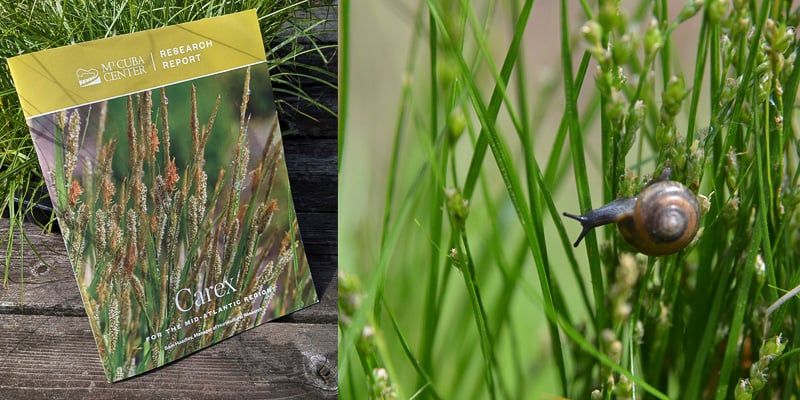
Mt. Cuba Center has gone a long way toward answering these questions in their Carex for the Mid-Atlantic Region research report. Located in Hockessin, Delaware, the Center is in the heart of an area renowned for its high concentration of public gardens. But Mt. Cuba Center offers much more than well-designed displays of pretty plants. It stands out among other public gardens as a leading research institution, focusing on species native to the Mid-Atlantic Piedmont and conducting conservation programs ranging from individual species to whole ecosystems.
Among Mt. Cuba Center’s research programs are their plant trials. Spanning over two decades, these trials have focused on individual genera to assess their species’ - and some cultivars’ - relative performance, beauty, functionality, and ecological value in an average garden setting.
In their latest trial, which began in fall 2017, Mt. Cuba Center put 65 Carex species and 5 cultivars to the test and began the four-year process of painstakingly assessing and recording their performance. The long-awaited report was released in January 2023 and is receiving accolades as a comprehensive guide to most of the horticulturally available Carex species.
What are sedges?
“They may be the dullest-looking perennials in the landscape. They are also the hottest.” -- Adrian Higgins, The Washington Post
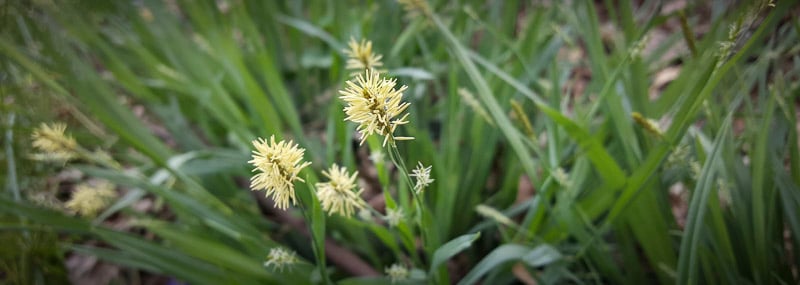
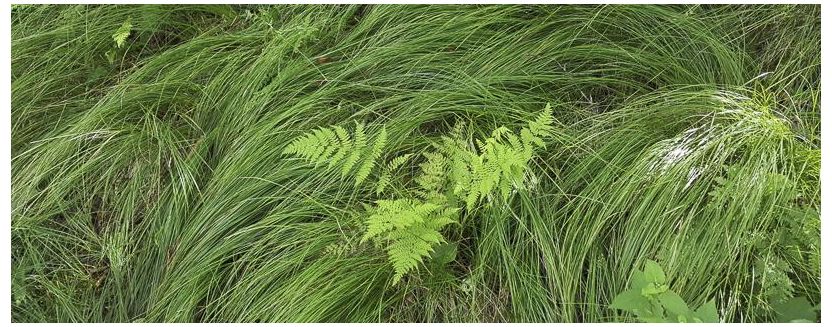
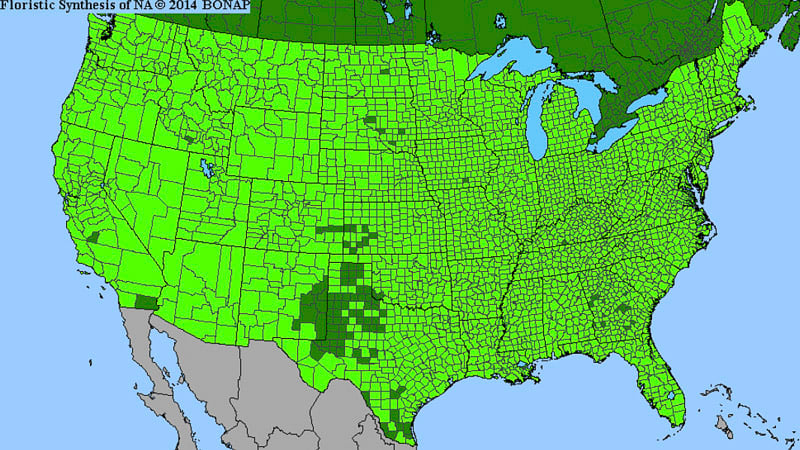
Sedges are graminoids, a broad category of plants that also includes true grasses and rushes, with common characteristics such a parallel leaf venation and small, mostly wind-pollinated flowers. Most sedges belong to the genus Carex; a large genus with around 2,000 species worldwide and 500 species native to North America alone.
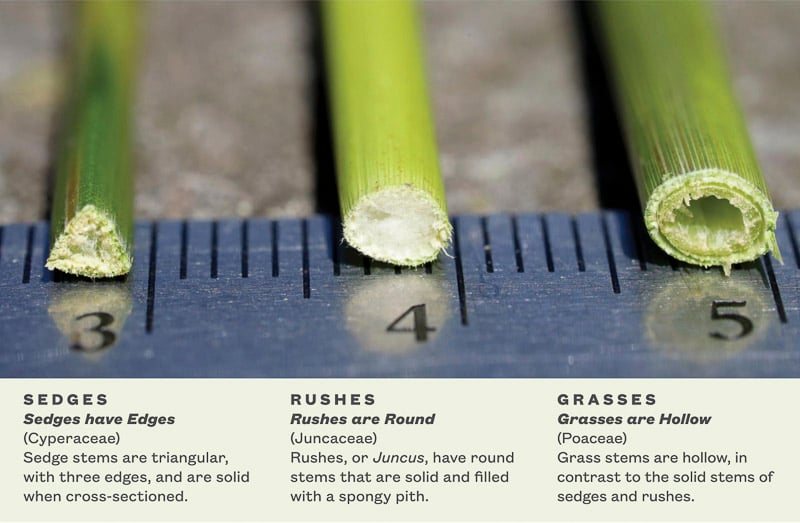
As you can imagine, with such a large genus, identifying individual species is rather challenging and a specialized endeavor in and of itself. There are some key points that can help, but that story will be for another day. As a first step, however, the following classic rhyme will help in differentiating sedges from rushes and true grasses:
“Sedges have edges, rushes are round. Grasses are hollow right up from the ground.”
Although sedges occur in a broad range of environments, from dry to wet and sun to shade, they occupy a different ecological niche than true grasses. They are cool-season plants, meaning they are most active early - and late - in the growing season when average daytime high temperatures are below the mid-70s. In their natural settings, sedges do not dominate the landscape. Instead, they are understory plants and/or companion species. Think of them as the back-up singers of complex plant communities.
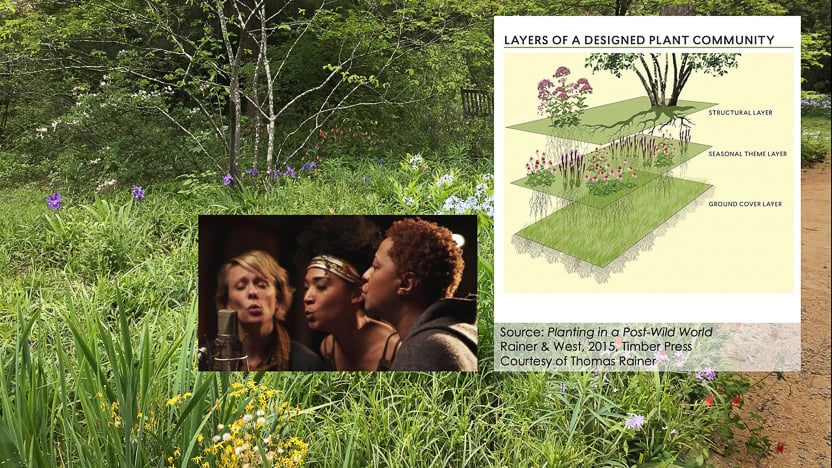
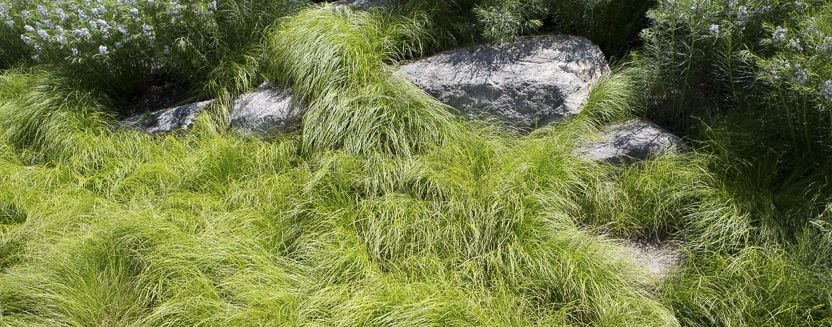
With garden design shifting from purely aesthetic concerns to more ecological ones, sedges are experiencing an extraordinary uptick in popularity, and rightfully so. They can occupy the base layer of a planting, where their fibrous root systems will encourage water infiltration and prevent erosion. Their overall dense growing habit can create a formidable ground cover and living “green mulch.” Because they grow actively early in the season, they efficiently suppress weeds by shading out opportunistic seeds and preventing them from receiving enough light to germinate. Last, but not least, sedges provide valuable nesting habitat for beneficial insects and are not palatable to deer and other mammalian herbivores, although they might nibble on them early in the season before their favored plants become available.
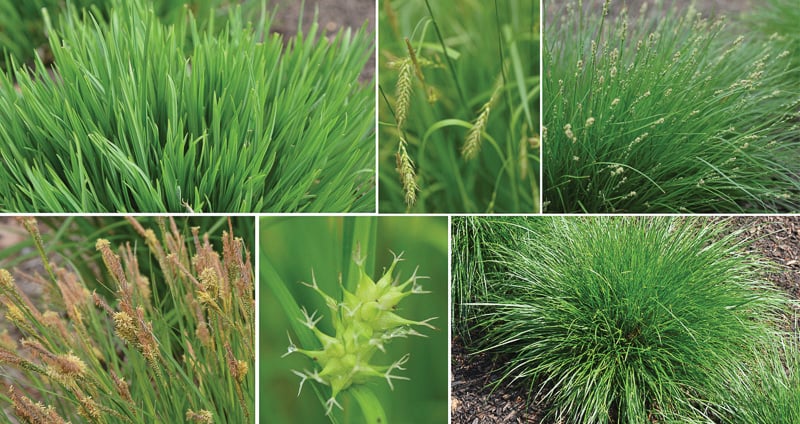
About Mt. Cuba Center’s Carex trials and research report.
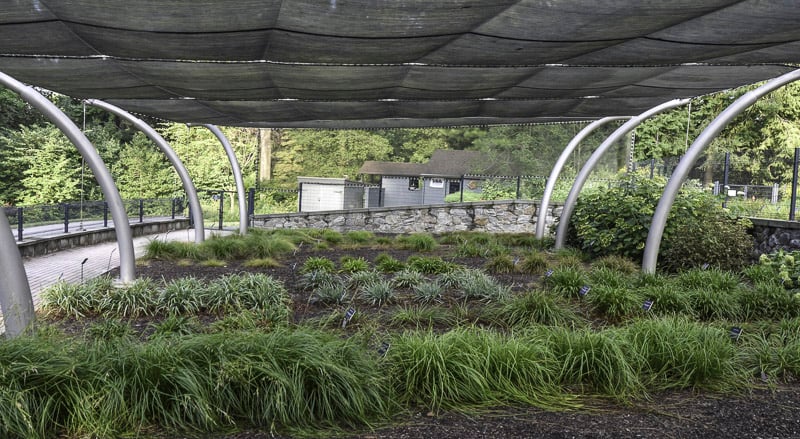
“The trial was planted in fall 2017 and supplemental water was provided only during the first year of the evaluation to encourage establishment. Throughout the trial, no fertilizer was added, and plants were given minimal care other than a late winter cutback. Each Carex was assessed in both full sun and shade in soil that can best be described as “average”: medium-moisture clay-loam with a pH of 6.5.” -- Mt. Cuba Center
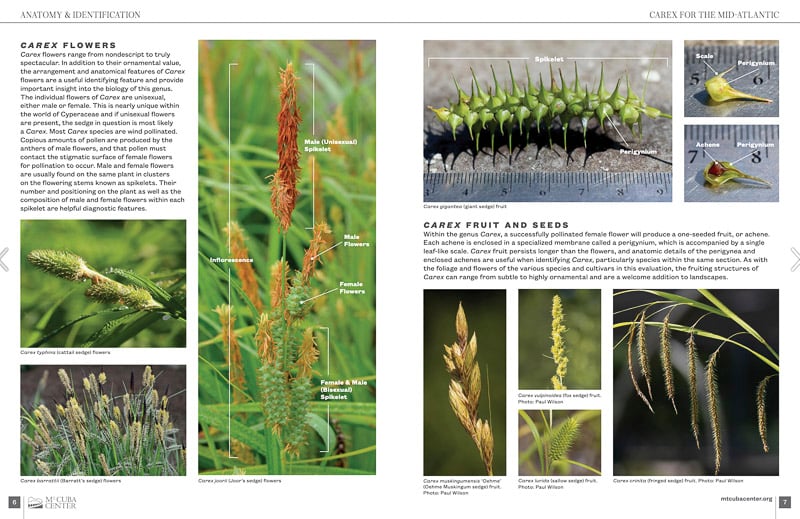
The published report includes botanical information explaining “what makes a Carex a Carex,” descriptions of the top performers from the trials, a chart to help identify the “right Carex, right place,” and a “trial performance summaries” chart.
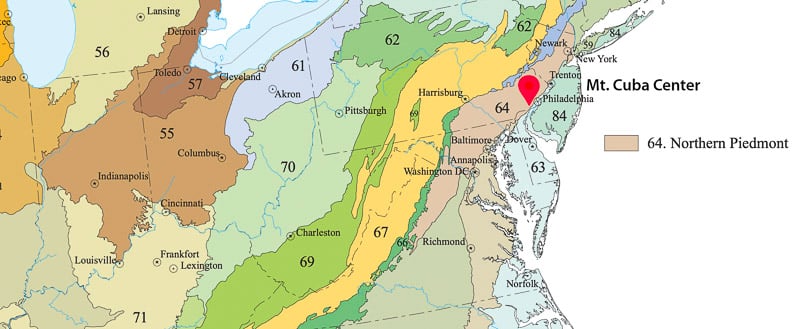
As comprehensive as the Carex trials were, it is important to see them within a Mid-Atlantic growing context. This does not mean the species selection was limited to those naturally occurring there, because it wasn’t. The species were also selected based on their commercial availability and popularity in the Mid-Atlantic, and the purpose of the trials was to evaluate their performance within the region (EPA Level III ecoregion 64. Northern Piedmont, to be specific). Therefore, please note that some species might perform differently in other regions. In particular, there may be differences in tolerance for heatload and cold hardiness that would affect winter leaf retention, sun tolerance, and soil moisture requirements.
Izel Native Plants has created a chart using data from the report, with the addition of the species’ hardiness zones, which was not included in Mt. Cuba Center’s report. The thought being that it might be helpful for people outside of the Mid-Atlantic where the climate might be too different to grow some of the species. Izel also employed symbols to create a compact chart that fit all 70 species and cultivars evaluated.
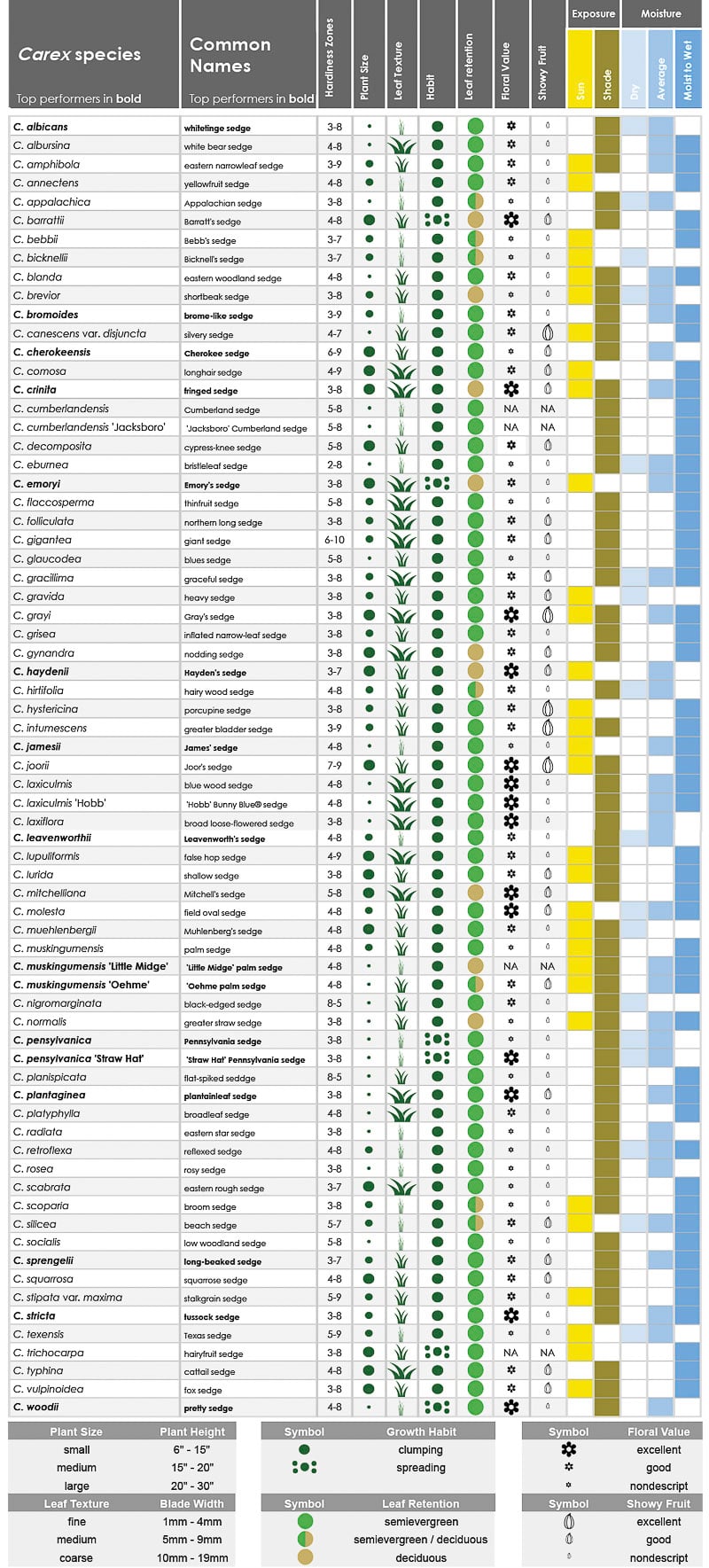
View, download or print a pdf version of the chart here.
Additional Izel Native Plants Carex comparison charts can be viewed here.
You may read Mt. Cuba Center’s full report here.
Inspired and interested in buying sedges? See our in-stock options here.

Claudio Vazquez co-founded Izel Plants in 2009 to fill the gap in online information about native plants that was pervasive at the time. With an initial focus on describing horticulturally available native plants, Izel Native Plants has since evolved into one of the top destinations for purchasing native plants online.