Claudio Vazquez co-founded Izel Plants in 2009 to fill the gap in online information about native plants that was pervasive at the time. With an initial focus on describing horticulturally available native plants, Izel Plants has since evolved into one of the top destinations for purchasing native plants online.
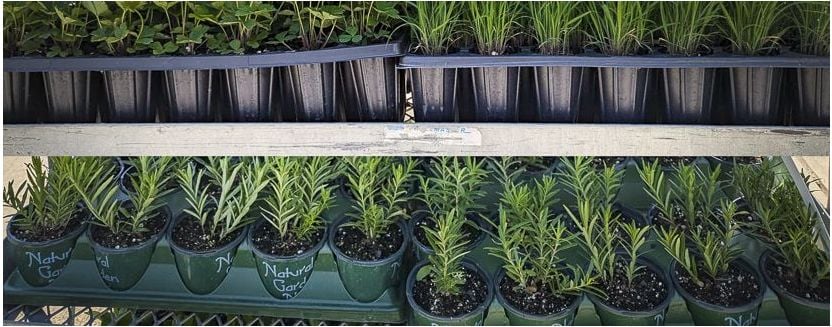
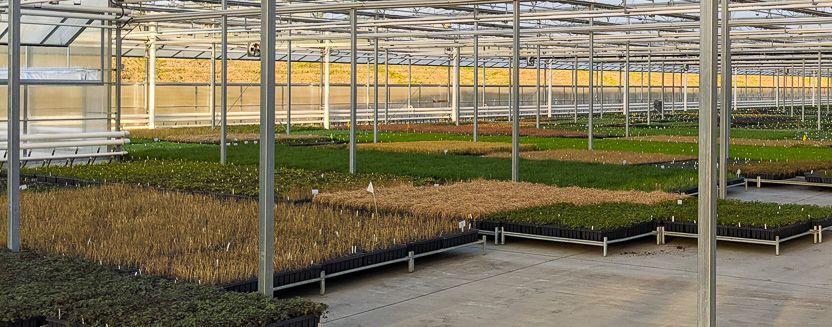
Is there a plant size that requires less maintenance once installed in the landscape? How important are site conditions and timing when choosing one size over another? Should the species, their growing requirements and habit be taken into account?
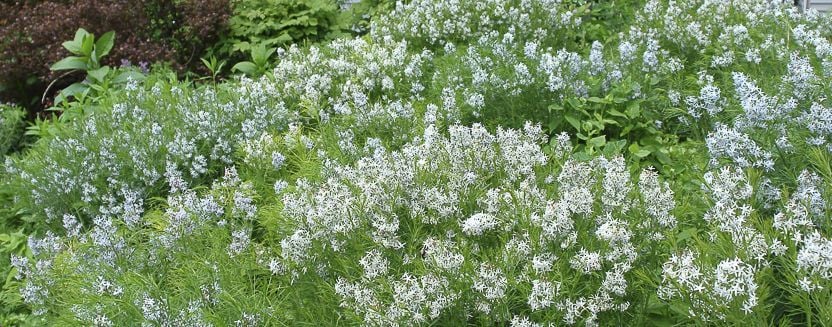
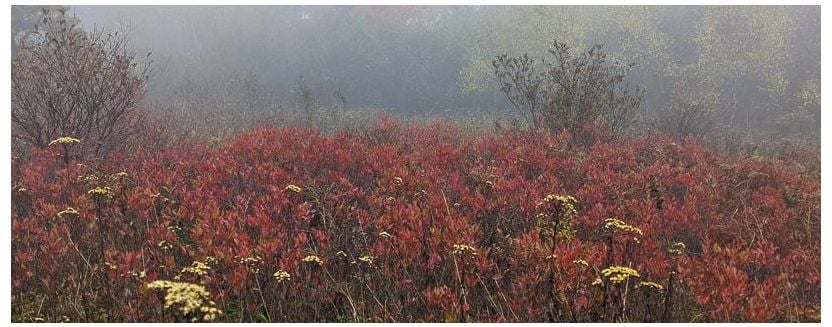
With multitudes of cool, blue flowers in spring, and transforming into fiery, billowing mounds in fall, few herbaceous perennials provide such a visual bang on both ends of the growing season.
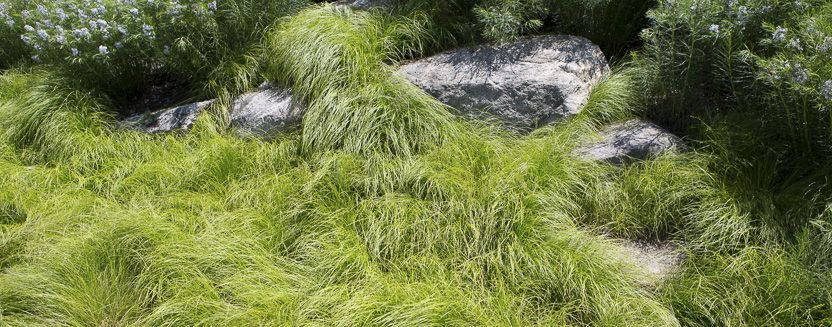
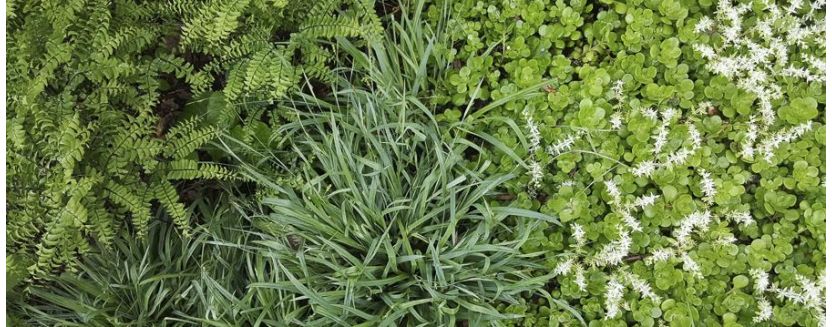
Carex, a genus commonly known as sedge, is being touted as the wunderkind of horticulture. But what exactly are sedges, and what role can they play in our quest to create ecologically sound landscapes?
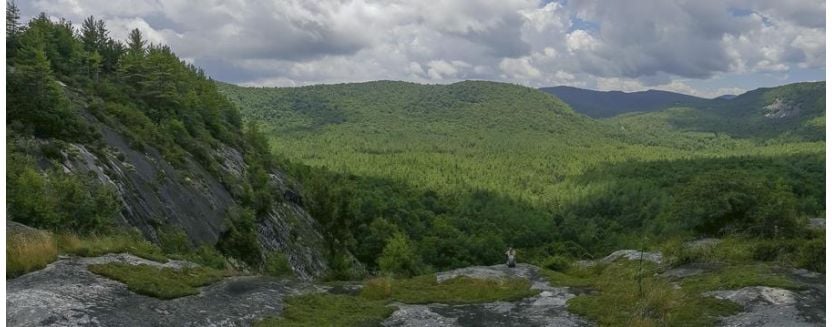
My first visit to Dolly Sods was in early spring a few years ago; it was an awe-inspiring experience and I knew right away this would be the first of many.
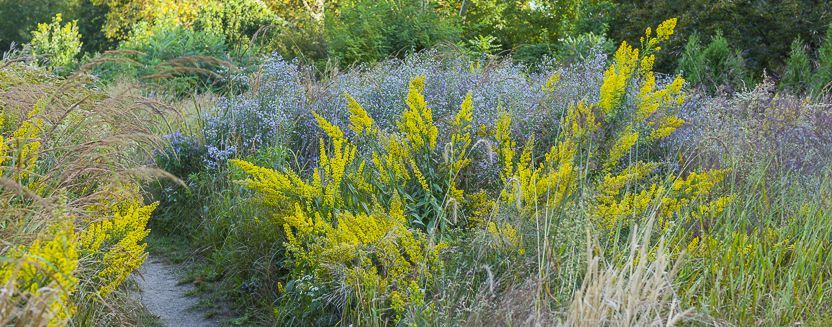
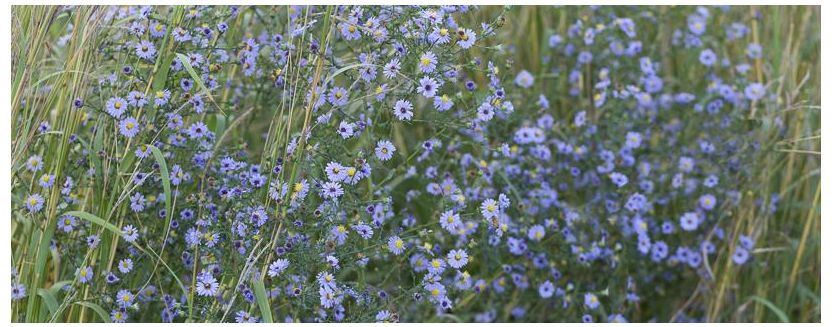
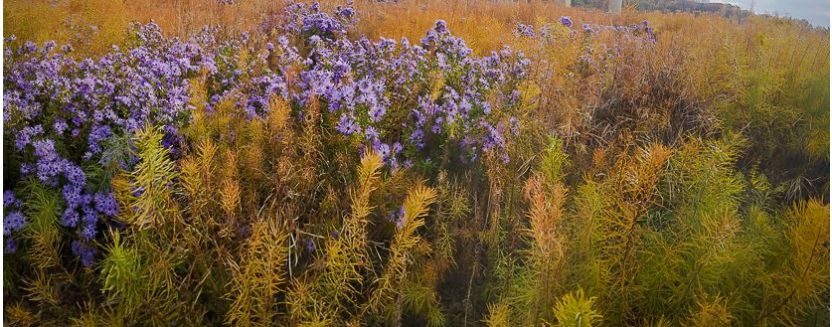
As the growing season comes to a close and the dominant yellow palette led by goldenrods will soon begin to fade, asters are ready to provide a final hoorah.
There is an overall consensus that fall is an excellent time of year to plant trees and shrubs, but what about forbs (herbaceous perennials) and grasses?
It is early summer and the spring flowers have come and gone. The warm season plants have emerged and are ready to take center stage. Weeding is under control