
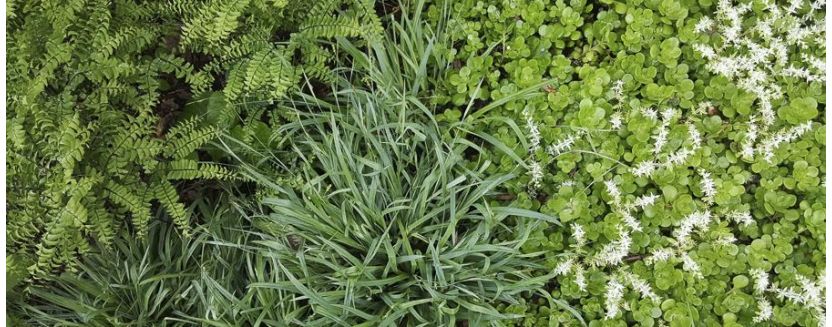
It is early summer and the spring flowers have come and gone. The warm season plants have emerged and are ready to take center stage. Weeding is under control and the summer heat builds up. This is the perfect time to take a step back, enjoy the fruits of our labor and take note of how our garden has evolved since the last growing season.
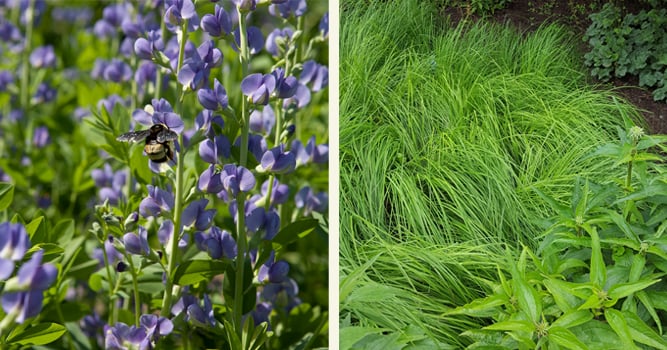
Some of the changes are encouraging. The Baptisia australis (blue wild indigo) has reached blooming maturity. After sleeping, then creeping, the Carex pensylvanica (Pennsylvania sedge) is leaping at last. Other plants have filled in nicely and the “green mulch” stage of the planting has been reached.
Other plants have not fared as well. Maybe there was a discrepancy between a species’ light requirements and the actual amount of light the plants receive, or the encroaching shade from a nearby tree pushed the plants beyond their limit. Slight changes in grade might have pushed the soil moisture above or below a species’ comfort zone. It could be that a dry spell exceeded the tolerance of certain plants broadly categorized as drought tolerant.
Although there are lessons to be learned from our failures, it is important to take cues from our successes, and most species will help us along the way if we allow them to. It is easy to become enamored with the garden designs of the top professionals in the field, but most of us do not have the expertise and resources to create and maintain such highly controlled designs. On the other hand, we are also free of the pressure that designers experience and we can allow accidents to happen.
Most plants will move around on their own. If we are flexible in our expectations and agile in our design, we can take advantage of plants’ will to survive and reproduce. Plants will let you know if they are happy or not and they will even often point to where they would be happiest.
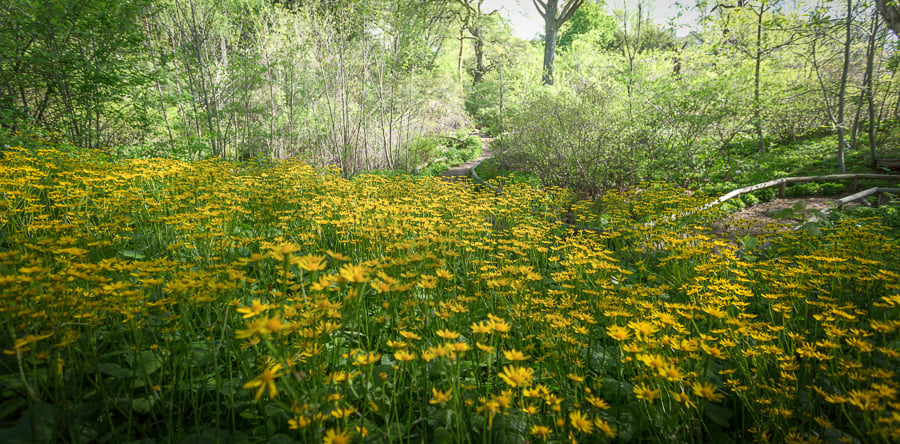
Species that produce seeds that rely on wind dispersal, such as many members of the Aster family are masters at survival.They are very opportunistic and will readily colonize any bare spot that meets their growing requirements. Among them are Joe-Pye weed, golden ragwort and blue mistflower. White snakeroot also falls into that category, but it is so adaptable that it will find just about any bare spot to its liking.
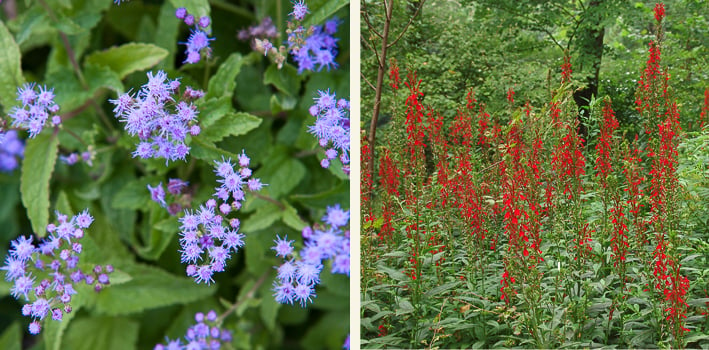
Some species are a bit more subtle in their dispersal. Lobelias and columbine are examples of plants with small seeds that are easily moved around by water. If you want nature to help you move those around, plant them at the top of an incline rather than at the bottom. Rainfall will ensure that the seeds spread downhill and they will germinate wherever they find the right conditions.
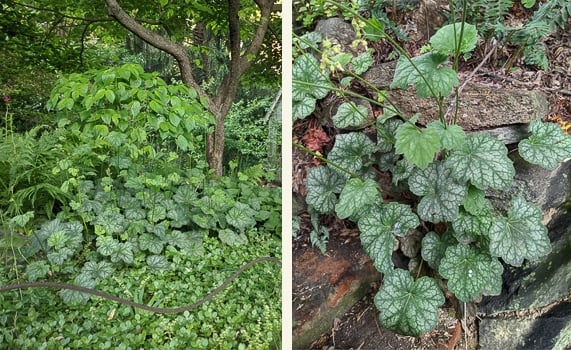
Sometimes, a species’ preference can come as a complete surprise. A few years ago one of our growers gave some Heuchera longiflora (longflower alumroot) to me to trial in my garden. I found a couple of spots that seemed to meet its requirements: filtered light and rich, consistently moist soil. The plants established very well, but their populations began to decline within a few years. In the meantime, their seeds had worked their way into an adjacent stone wall with poor soil, more sun than I would have expected the species to tolerate, and where I had been unsuccessful at growing anything no matter how hard I tried.
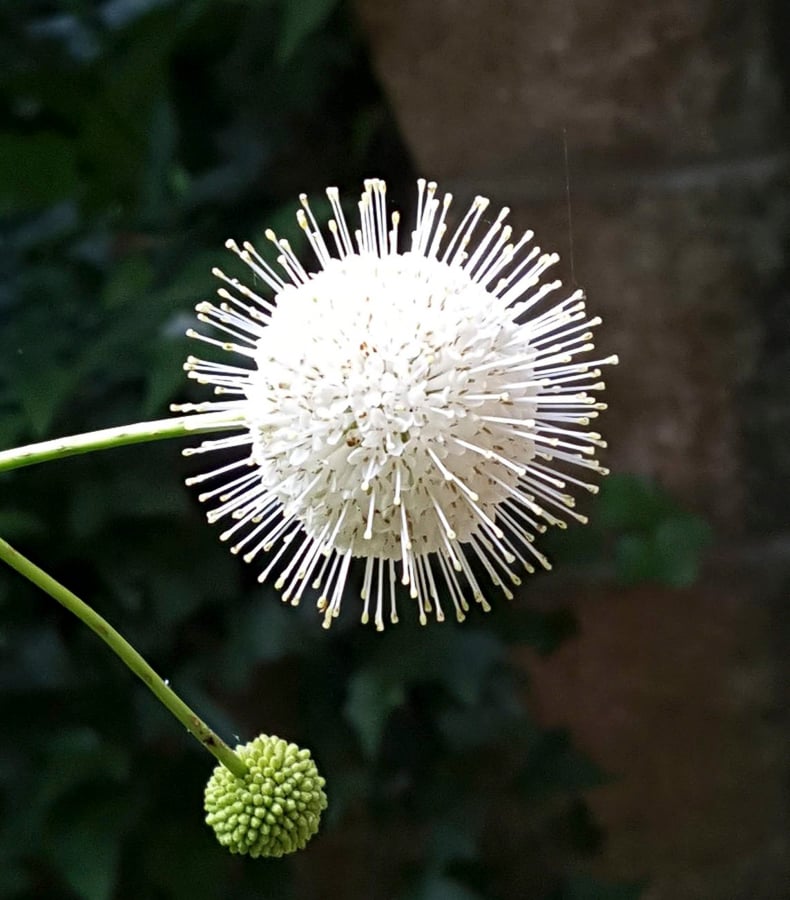
Another surprise was the Cephalanthus occidentalis (common buttonbush) I had started from seed during a propagation workshop at a native plant conference. This is a species adapted to having wet feet and is a natural occurrence on the margins of wetlands, preferably under full sun. Not having any area that can even come close to meeting those requirements, I planted it in a spot that receives occasional overflow from the roof but otherwise remains very dry, and in part-shade. Well, the shrub is thriving under those conditions and I look forward to it blooming every year.
As gardeners, we tend to have lofty aspirations inspired by poring over books and other publications as well as visits to meticulously crafted gardens. But, these ideals are the result of years of experience and countless trials and errors. We should not be intimidated when plants do not behave as we expected them to. It is part of the process and even a failure can be seen as an opportunity to try something new. By using an agile approach, talking to and listening to our plants, they will often lead us in the right direction. Nature will always try to find a way and we should let her help us along the journey.
The accidental propagator: When a weed is not a weed.
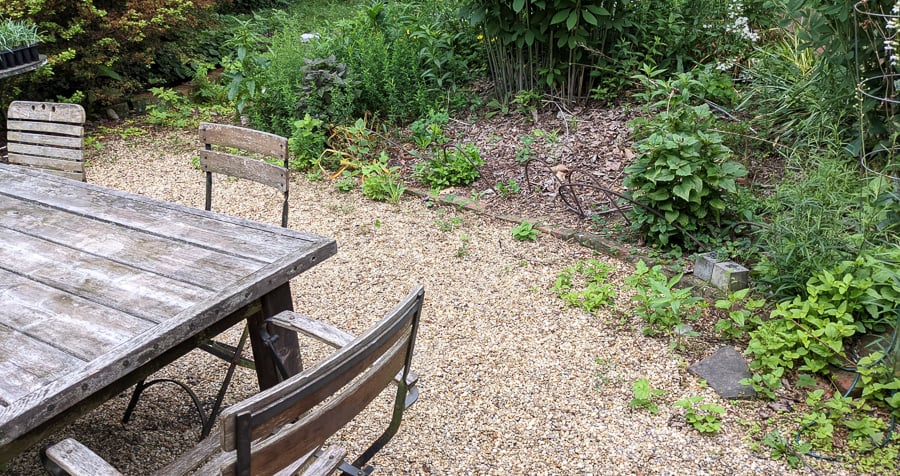
Gravel patios and unmortared brick paths are amazingly effective propagation environments. They strike the right balance between moisture retention and good drainage, and protect the seeds from hungry critters (Sorry, birds. But I make plenty of other seeds available throughout the garden to help them along through fall and winter).
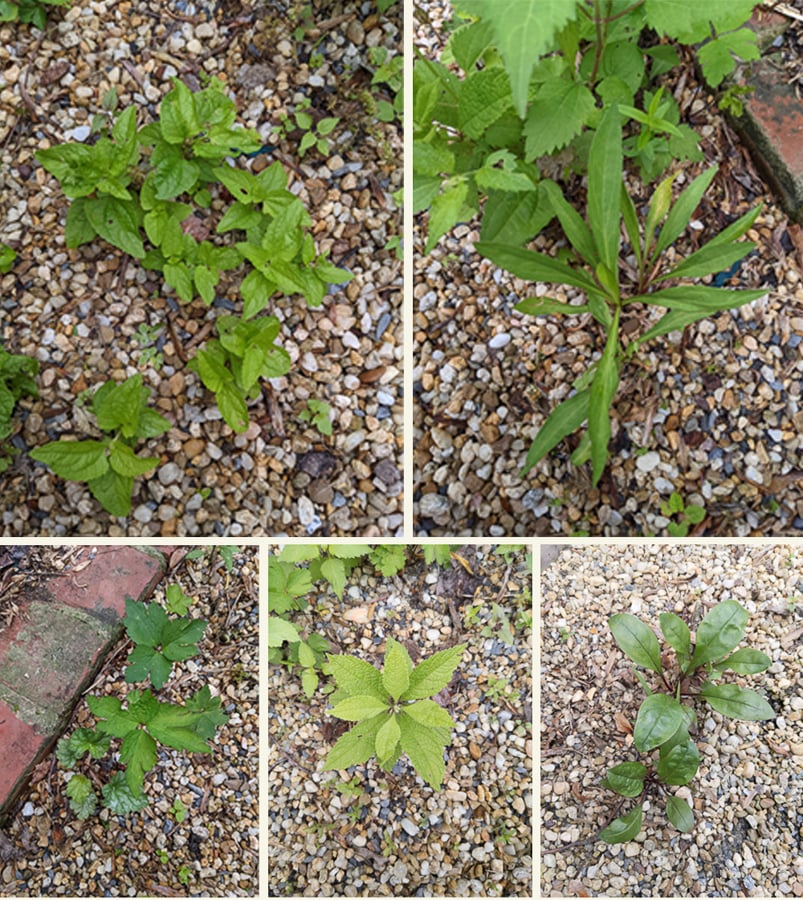
Although I’m excited every year to see what species are going to pop up in my gravel, this accidental method of propagation creates a challenge within the household: I have to balance my desire to wait for any volunteer plants to be robust enough to transplant, with my spouse's desire to have a weed-free patio. Another possible title for this segment could have been: “Free plants vs. marital bliss: A balancing act!”.

Claudio Vazquez co-founded Izel Plants in 2009 to fill the gap in online information about native plants that was pervasive at the time. With an initial focus on describing horticulturally available native plants, Izel Native Plants has since evolved into one of the top destinations for purchasing native plants online.

