Warm, sunny days early in the year get everyone excited about planting. Buds are swelling, birds are singing, and we can’t wait to get outside and add more plants! But that impulse needs a reality check. Is it too early to plant?
During late winter and early spring, temperatures are fluctuating. Some days are warmer, but there’s a real chance of a dramatic drop in temperature, a prolonged period of severe cold, or a late freeze. Is March too early to plant? Can you plant plants in April?
To understand why it might be too early to plant, it helps to understand more about cold hardiness in plants, cold hardiness zones, and average last frost date.
Dormancy and Cold Hardiness
In temperate climates, where we have distinct seasons, plants enter a period of dormancy during the coldest part of the year. Dormancy involves several internal physiological processes and is basically a resting period. It’s also a way for plants to protect themselves from exposure to freezing temperatures.
Dormancy doesn’t just happen overnight. It occurs gradually over several weeks in response to environmental cues like shorter day length and cooler temperatures. Through this process, called acclimation, plants enter dormancy and develop cold hardiness. They generally reach maximum freezing tolerance in mid-winter. Plants acclimate to the conditions they are in, so a plant’s specific ability to withstand cold temperatures varies with where it’s located. A goldenrod acclimated in Massachusetts will be better able to handle colder temperatures than the same species acclimated further south in Virginia.
Once plants enter dormancy, they will remain dormant until certain time and temperature requirements are met. Each species has its own requirements. Once those requirements are met, plants become able to perceive cues to begin growing, such as warming temperatures. Even though a plant has acclimated, its ability to withstand cold temperatures does not stay the same over the entire dormant period.
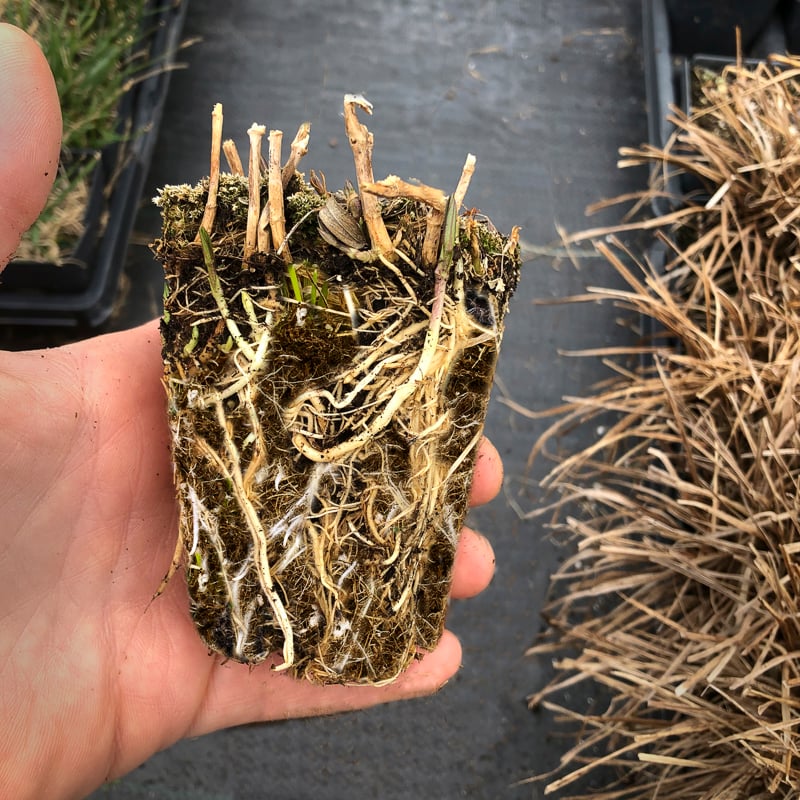
This plug is devoid of top growth, but it is actively growing, with healthy, vigorous roots and new buds breaking the surface. It is vulnerable if planted too early. Photo © Kind Earth Growers
As winter progresses, the days lengthen and temperatures begin to fluctuate. The difference between day and night temperatures may increase, and there are more periods where temperatures stay above freezing. These changes in temperature begin the process of deacclimation, which reverses cold hardiness. Once deacclimation starts, plants are more vulnerable to cold exposure. That’s why an extended period of very cold weather in late winter or a sudden, early spring freeze can damage plants that are normally considered very cold hardy.
Of course, the details and timelines vary depending on the species, but that’s the process in a nutshell: plants acclimate in fall, go dormant for winter, meet their dormancy requirements, deacclimate in late winter and early spring, and emerge from dormancy to grow in the new season.
Figuring Out When to Plant in Spring Is Complicated
Understanding a plant’s ability to withstand freezing temperatures gets more complex when it’s grown in cultivation. Plants in containers are more vulnerable to cold damage than are those in the landscape, and their growing environment play a major role in their hardiness.
Plants grown in a climate-controlled greenhouse, a cold frame, or outside are all acclimated to different conditions. In a greenhouse or cold frame, plants may be getting environmental cues that it’s time to deacclimate and wake up earlier than those outside. But they’re only able to respond to that if they’ve reached their dormancy requirements. Plants grown outside may reach dormancy requirements earlier, so maybe they’re actually ahead of the other plants grown in more controlled environments. It all just depends on the specific conditions under which they’re grown.
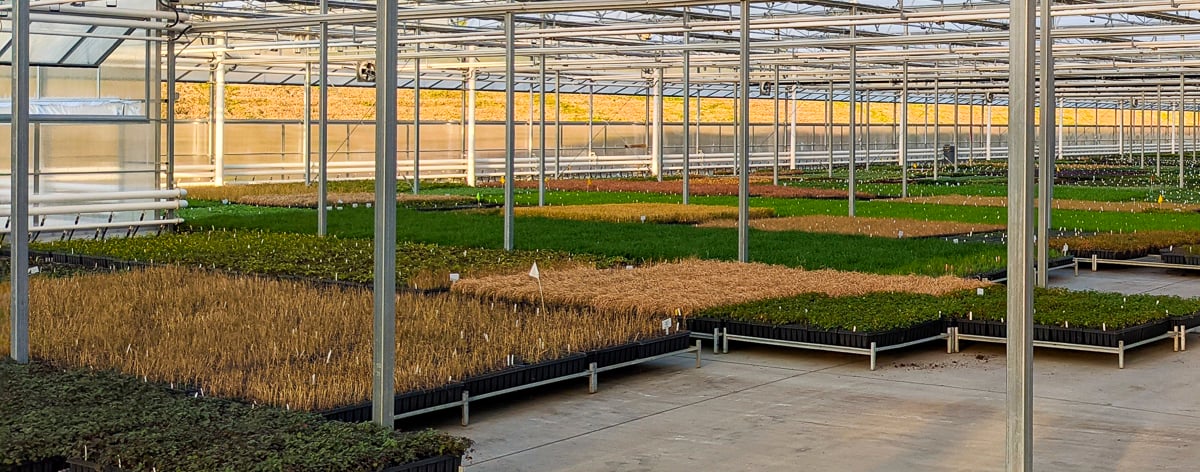
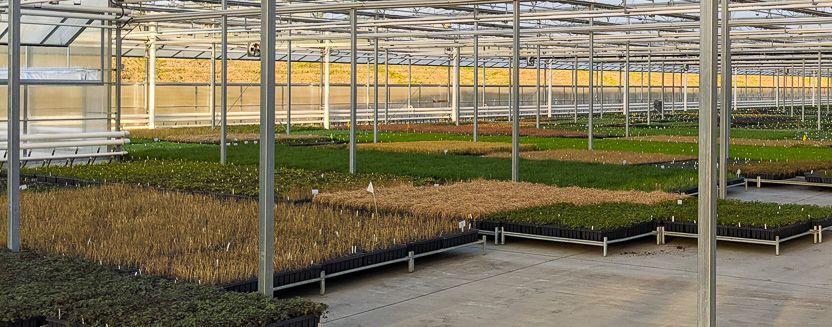
A plant's species and whether it's a new crop or one emerging from dormancy will affect vulnerability to cold temperatures. Even though they're together in the controlled environment of a greenhouse, these crops may be at very different stages. Photo taken at North Creek Nurseries
To add another layer of complexity, geographic regions vary in their climate and weather. East Tennessee is very different from northern Illinois. Spring weather arrives and plants start growing much earlier in the Southeast than they do in the Midwest or Northeast.
Mix all those variations together and think about what happens when you receive plants from a grower. The plants are acclimated to their specific growing conditions and are moved to an environment that may be completely different. In late winter and early spring, temperatures are in flux. Even if plants look like they’re still dormant, they may be deacclimated, and below-freezing temperatures can damage or kill them. Another possibility for mismatch comes if plants you receive are from a crop that's brand new rather than overwintered. Those young, tender plants are likely accustomed to cushy conditions. Putting them out into the harsh realities of late winter or early spring may be a bridge too far. The bottom line is that the plants' ability to withstand cold temperatures and freezing is affected by both where they're coming from and where they're going. (I won’t even mention what happens to the plants while in transit!)
Theoretically, you could create a decision tree about where plants are being grown and where they’re going to decide whether they might be damaged. Think about that for a minute…
You would have to consider where it’s grown (greenhouse, cold frame, etc.), what region it’s grown in, what region it’s going to, and the weather conditions where it will be planted. Further, what if you weren’t going to plant right away? You’d need to add in any differences between where you’re holding the plants and where you’ll plant them. That would be one heckuva decision tree, and I’m not even sure that would cover all the contingencies! And what are the odds a humble gardener (or plant supplier, for that matter) will be able to gather all the information about all the conditions the plants have experienced? Did I mention it’s complicated?
Keep It Simple: Last Frost Date
If knowing whether it’s too early to plant is so complicated, what’s a gardener to do? Some plants may be fine being planted early, while others may get knocked back or even die if hit with freezing temperatures.
You might think checking a plant’s hardiness zone would give you the answer. After all, if a plant is hardy to cold temperatures where you are, surely it will be fine if you plant it now when it’s warming up. Unfortunately, that’s not how it works. Plant Hardiness Zones are geographic areas based on a map of average low winter temperature. It is a shorthand way to characterize a plants’ ability to withstand cold temperatures, but it’s just one piece of information. The other piece that’s important is the average date of last frost.
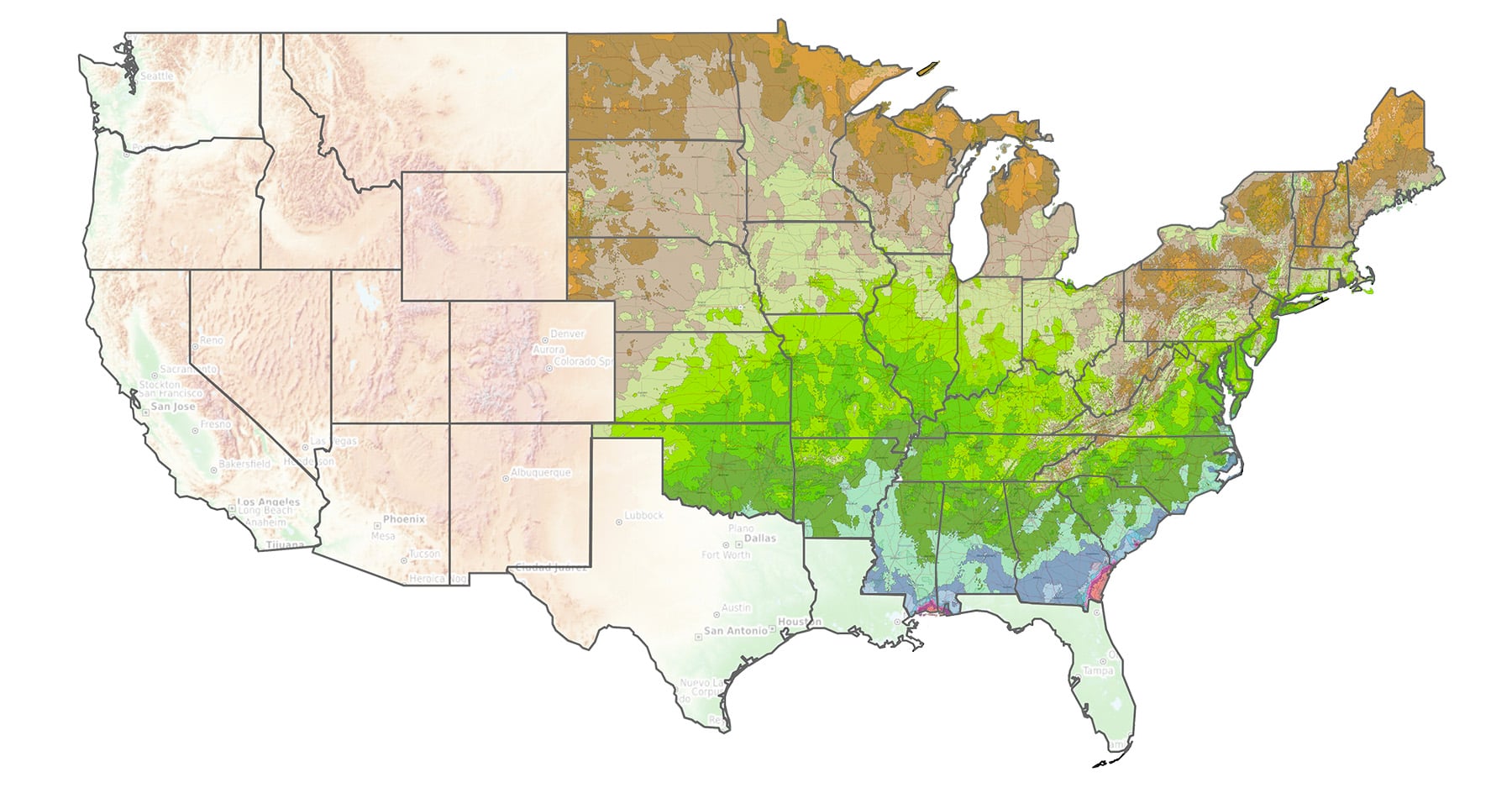
This rendering of frost date maps for Izel Native Plants’ shipping range illustrates how much last frost dates vary across topography and latitude. You will find the link to the individual state maps with their color key at the bottom of the post.
When signs of spring are emerging, we’re all excited about pIanting. But that’s when plants are undergoing deacclimation and are vulnerable to sudden frosts or freezes. Frosts can occur when the temperature is at 32°F or lower for an hour or two. During that short dip into freezing temps, ice crystals can form on the surface of the plant, causing damage to leaves and tissue. Freezes occur when the temperature at ground level is below freezing for several hours. Sustained freezing temps cause more severe damage and can kill plants. Often, the instruments used for measuring temperatures are located several feet above ground, and temperatures at ground level are even colder than what’s reported. So even if only a frost is predicted, your plants may experience more severe or prolonged exposure than you expect.
There are techniques you can use to reacclimate plants or protect them from damage, and some plants may be okay if you plant “too early.” Nevertheless, the safer bet (and it’s still a bet—we are talking about nature here) is to wait until after the last expected frost date. That’s what we at Izel recommend when you’re getting plants from us in spring.
The key is that you will be past a reasonable expectation of freezing temps. You can plant plants that are still fully dormant, ones that are deacclimating, and those that are actively growing with little chance they’ll be damaged. It’s not a guarantee, but it lowers the risk considerably. In addition, you’re giving new transplants a healthier start. Plants hit with sudden cold temps may survive, but it still stresses them. Lowering the cumulative stress lets your new plants put more resources into establishing and growing. It’s a good rule of thumb for healthier plants and happier gardeners—even if you have to wait!
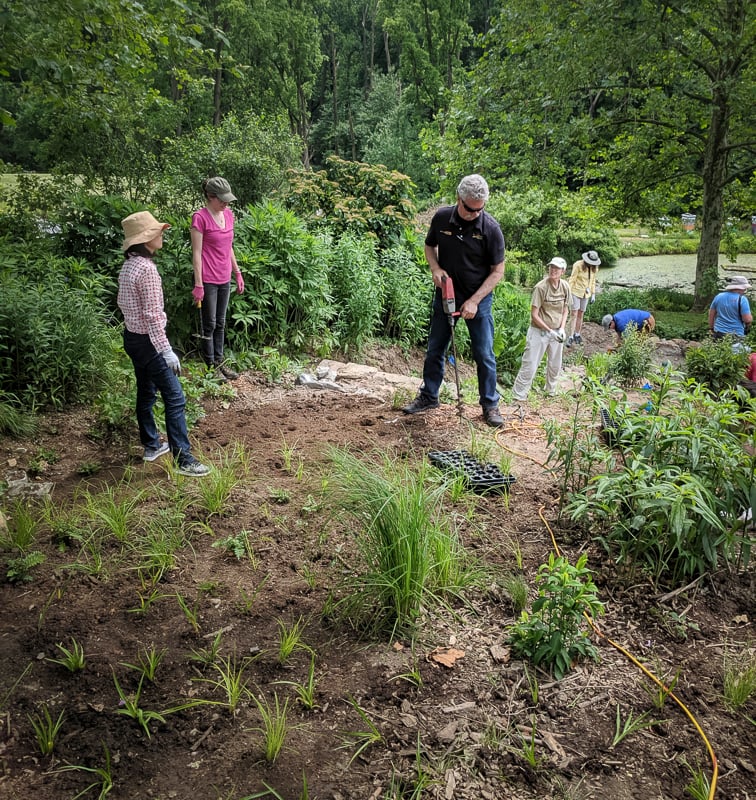
Waiting until after the last frost to plant will let your plants (and you!) concentrate on getting established.
Where to Find Last Frost Date
Now that you have a better understanding of cold hardiness and are waiting until after the last frost to plant (you can do it!), we’ve got a great tool for you. We have maps of all the states in our shipping range showing when, on average, to expect last frost.
Below is a sample state map representing the average dates of last frost:
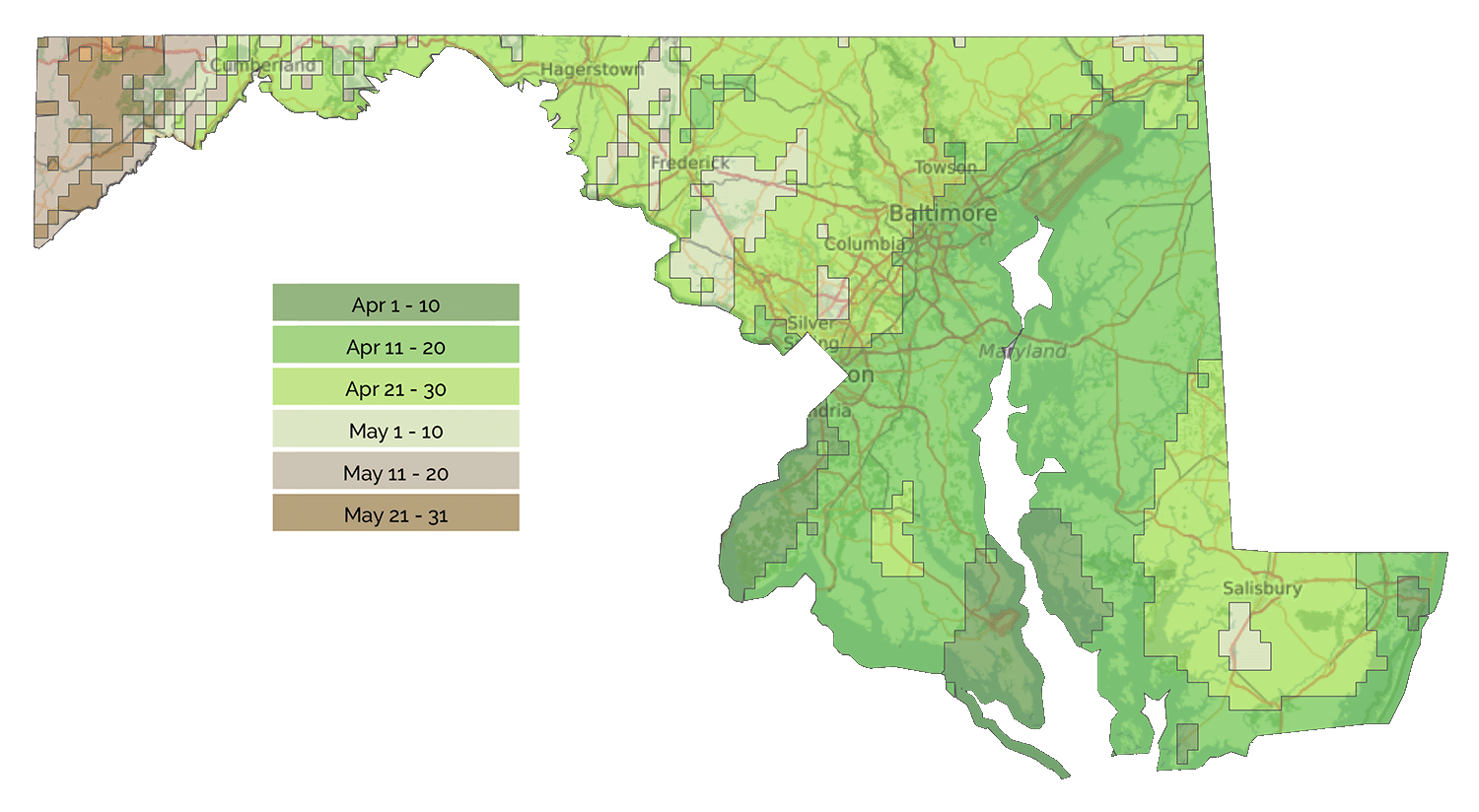
To see the maps of all the states within our shipping range, go to the following link:

Shannon Currey is a horticultural educator with Izel Native Plants. She’s worked in the nursery trade since 2006, developing expertise in grasses and sedges and expanding her knowledge of native forbs. She currently serves on the North Carolina Plant Conservation Program Scientific Committee, holds advisory roles with several organizations, and served on the Board of the Perennial Plant Association. Shannon lives in Durham, North Carolina and loves exploring the local flora everywhere she goes!