

Frost Dates and Why They Matter
Use the links below to open the state’s map of the average date of first frost and last frost. The listing includes all the states that are within Izel Native Plants' shipping range.
We often get questions about planting at the beginning and end of the growing season.
“Is it okay to plant new plants in October? What about November? What’s too late?”
“Can you plant too early? Is March too early to plant? How early is too early?”
The most complete answers would require assessing many factors, including climate, short-term weather patterns, plant species, and all kinds of additional considerations. It becomes quite complex. Fortunately, there are some general guidelines based on frost dates that make this much simpler. If you’re not sure whether it’s too late to plant or whether it’s too early, read on to see why frost dates are key to the answers.
How Late Can I Plant?
Autumn offers many opportunities to work in the garden. The weather is cooling down, but the itch to go outside and play in the dirt is still strong. This is the perfect time to review how plants have performed through spring and summer, make some edits, and add more plants. But is it still okay to plant?
A big part of the answer centers around the first frost date where you are. We’re in a temperate climate, where plants enter a period of dormancy during winter. In preparation for that, most start physiological processes that will acclimate them to colder weather and help them survive during dormancy. Those processes are typically cued by environmental factors like daylength and temperature.
If you’re planting in fall, it’s best for plants to have time to grow new roots and establish themselves before going dormant. What happens if they don’t have time to put on new roots?
They may have trouble surviving winter. Overwintering is all about the root system surviving, and new plants that aren’t established have weak root systems. Sitting in cold, wet soils makes them vulnerable to root rot and extreme temperatures. They might also be subject to heaving, which is when freeze/thaw cycles push plants out of the ground.
"So, is it okay to plant plants in September? What about October?"
Some plant species are just fine being planted late because they can keep growing. But others prepare for dormancy earlier and are vulnerable to the issues we noted. In addition, it can matter where the new plants have been before they reach you. They may not be acclimated to your conditions, and that puts stress on the new transplants.
To simplify decision making, use the first frost of the season as your guide.
For more details, check out our blog post: How Late is Too Late to Plant?
How Early Can I Plant?
Warm, sunny days early in the year get everyone excited about planting. Buds are swelling, birds are singing, and we can’t wait to get outside and add more plants! But sometimes that impulse needs a reality check. Is it too early to plant?
One important piece of information for knowing whether it’s too early to plant is the last frost date where you are. In temperate climates like ours, plants enter dormancy during the winter, and that’s when they are the most cold hardy. They respond to environmental cues like daylength and temperature to begin acclimating in fall. They enter dormancy during winter and then have a period of deacclimation in spring that begins reversing that cold tolerance. It’s during the deacclimation period that they can be quite vulnerable to sudden frosts or freezes.
"Is March too early to plant? Can you plant plants in April? How early is too early to plant plants?"
Some plants may be fine being planted early, while others may get knocked back or even die if hit with a frost. Their vulnerability depends on many factors, including the conditions where they’ve been growing before they reach you. Plants that are very cold hardy can be susceptible to frosts if they experience deacclimation in one environment and then get moved and planted in a colder environment.
The “safest” bet is to wait to plant until after the last frost date for your area.
To learn more about why and get the scoop on cold hardiness, see our blog post: How Early Is Too Early to Plant?
We provide some general guidelines below for cool- and warm-season plants based on average frost dates:
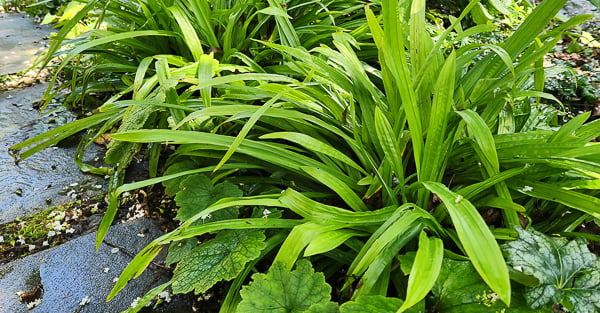
Cool-season plants
Cool-season plants—those that peak in spring or fall—can be planted somewhat later and earlier in the growing season. These include most native woodland species, native sedges, fall bloomers such as asters and goldenrods, and a few native grasses such as tufted hairgrass. These cool-season herbaceous perennials can go in the ground up to two weeks after first frost or right after the average last frost date. They will actively set roots even if there’s an occasional hard freeze as long as soil temperatures are above 50 degrees.
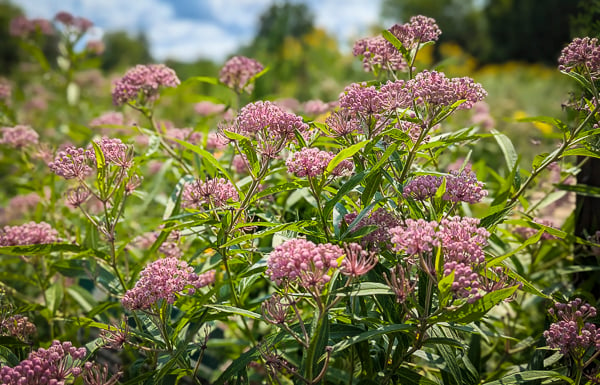
Warm-season plants
Warm-season plants—those that peak during the heat of summer—need to be planted on an earlier fall schedule or a later spring schedule. These include most native grasses and summer-blooming native perennials such as coneflowers, milkweeds, and too many others to be listed here. The reason for planting these earlier is not that they suffer from the cold (they are cold-hardy species that overwinter as a matter of course) but because their roots will stop establishing when soil temperatures are consistently below 55 to 60 degrees. Therefore, it is recommended that warm season plants be in the ground about 4 weeks before first frost or a couple of weeks after last frost.
Use the links below to open the state’s map of the average date of first frost and last frost. The listing includes all the states that are within Izel Native Plants' shipping range.