PLANTS NATIVE TO DELAWARE'S ECOREGIONS

Now accepting advance orders for spring 2027.

Orders can ship as early as the week of April 5th.

Please check the average dates of last frost for your area before choosing your ship weeks.

Below is a listing of all the plants native to the state of Delaware that are currently available for sale through Izel Native Plants. This listing will change from month to month, or even from day to day, as some species become sold out and other crops become ready to ship to our customers.

Jump to bottom of page for Delaware Ecoregions - EPA Ecoregions Level III


Loading...
Items 1 to 32 of 99

99 items

* prices may vary based on shipping destination and availability.
per page
  1. Achillea millefolium common yarrow
    Sold asPlugs
  2. Acorus americanus sweetflag
    Sold asPlugs
  3. Adiantum pedatum northern maidenhair
    Sold asPlugs
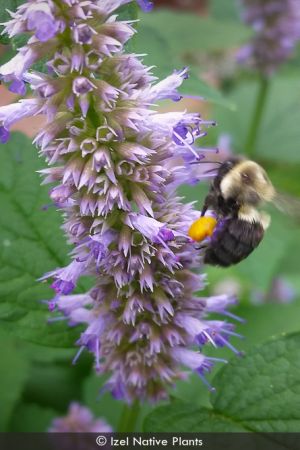
  4. Agastache foeniculum anise hyssop
    Sold asPlugs
  5. Ammophila breviligulata American beachgrass
    Sold asPlugs
  6. Amsonia tabernaemontana eastern bluestar
    Sold asPlugs
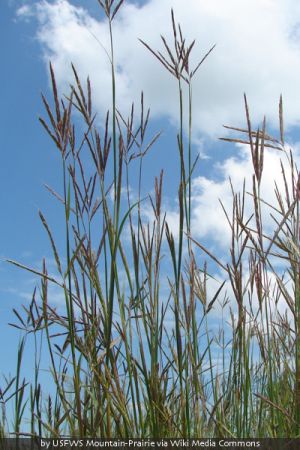
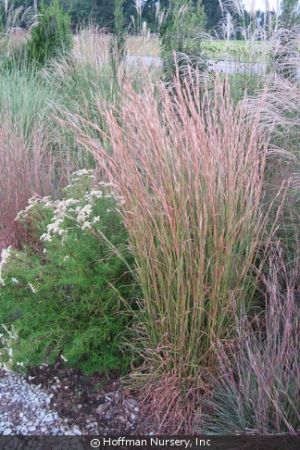
  7. Andropogon gerardii big bluestem
    Sold asPlugs
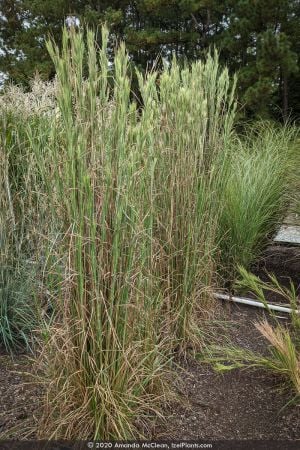
  8. Andropogon glomeratus bushy bluestem
    Sold asPlugs
  9. Andropogon ternarius splitbeard bluestem
    Sold asPlugs
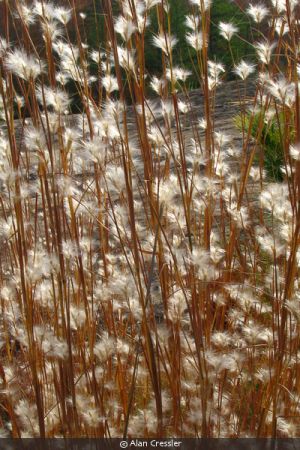
  10. Andropogon virginicus broomsedge bluestem
    Sold asPlugs
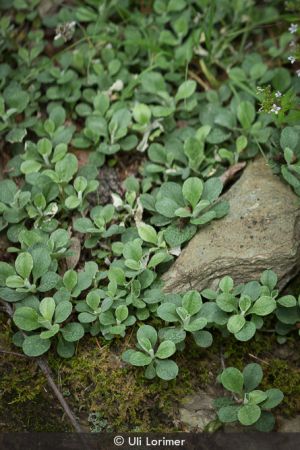
  11. Antennaria plantaginifolia plantain-leaf pussytoes
    Sold asPlugs
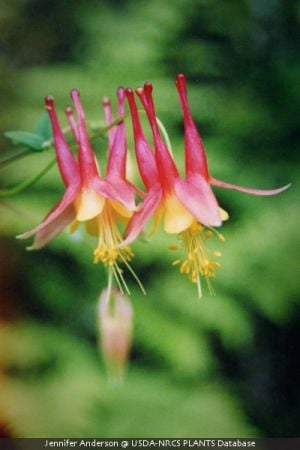
  12. Aquilegia canadensis American columbine
    Sold asPlugs
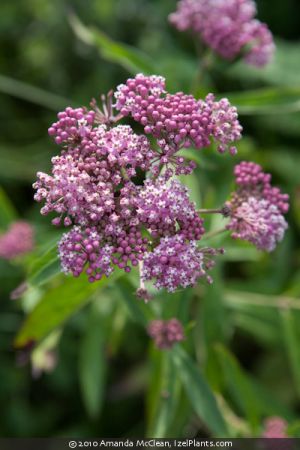
  13. Asclepias incarnata swamp milkweed
    Sold asPlugs
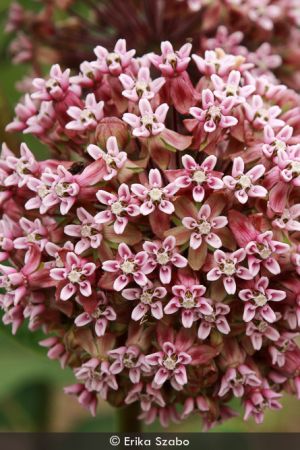
  14. Asclepias syriaca common milkweed
    Sold asPlugs
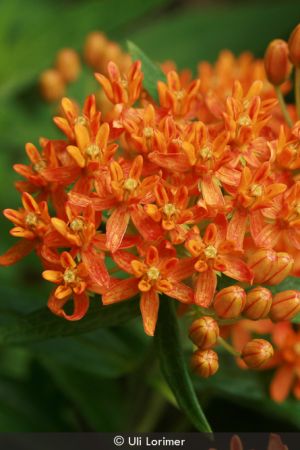
  15. Asclepias tuberosa butterfly milkweed
    Sold asPlugs
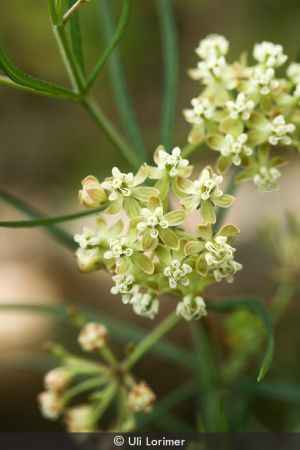
  16. Asclepias verticillata whorled milkweed
    Sold asPlugs
  17. Athyrium filix-femina common ladyfern
    Sold asPlugs
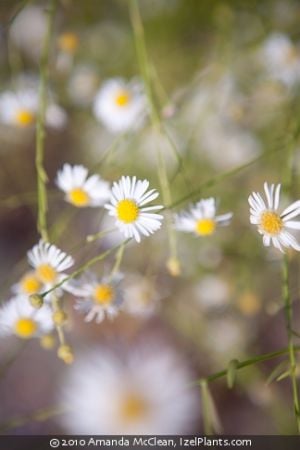
  18. Boltonia asteroides white doll's daisy
    Sold asPlugs
  19. Calamagrostis canadensis bluejoint
    Sold asPlugs
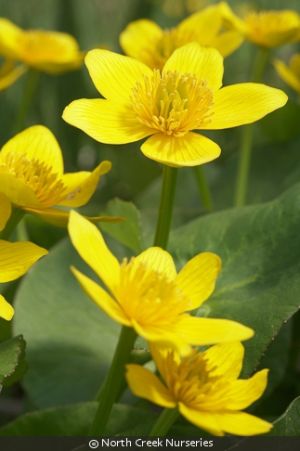
  20. Caltha palustris yellow marsh marigold
    Sold asPlugs
  21. Carex amphibola eastern narrowleaf sedge
    Sold asPlugs
  22. Carex bicknellii Bicknell's sedge
    Sold asPlugs
  23. Carex brevior shortbeak sedge
    Sold asPlugs
  24. Carex bromoides brome-like sedge
    Sold asPlugs
  25. Carex comosa longhair sedge
    Sold asPlugs
  26. Carex crinita fringed sedge
    Sold asPlugs
  27. Carex decomposita cypressknee sedge
    Sold asPlugs
  28. Carex frankii Frank's sedge
    Sold asPlugs
  29. Carex lurida shallow sedge
    Sold asPlugs
  30. Carex pensylvanica Pennsylvania sedge
    Sold asPlugs
  31. Carex radiata eastern star sedge
    Sold asPlugs
  32. Carex rosea rosy sedge
    Sold asPlugs
Items 1 to 32 of 99
Page
per page

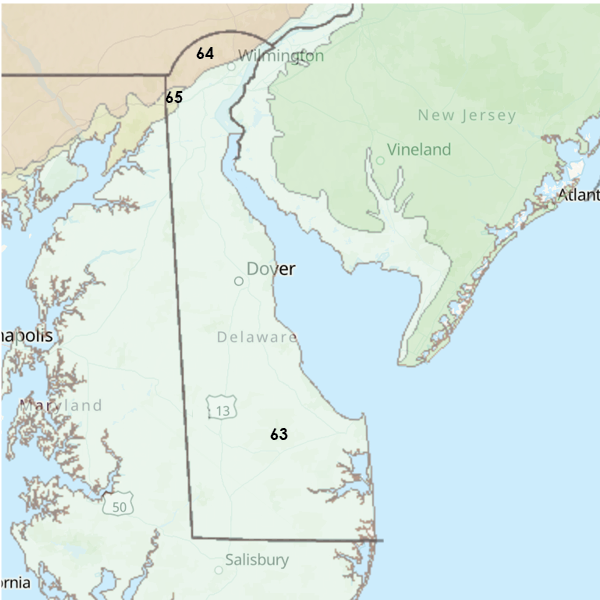
Delaware Ecoregions - EPA Level 3

EPA eco regions in Delaware


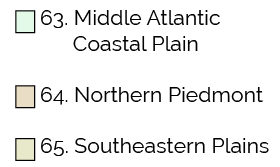
DE ecoregion map color key


63. Middle Atlantic Coastal Plain

    The Middle Atlantic Coastal Plain is an ecoregion covering most of the coastal plain from the South Carolina-Georgia border, northeast to New Jersey.It is the dominant ecoregion in DE, and includes the entire state south of the Delaware River. This region tends to be flat with well-drained sandy soil, dunes, beaches, and barrier islands along the coastline, usually with extensive and poorly-drained wetlands and swampy areas behind them.

64. Northern Piedmont

    The Northern Piedmont is a region stretching northeast-southwest, from southeastern New York to Virginia and is widest in Maryland and Pennsylvania. In DE, it is limited to a small area north of the Delaware River that includes the city of Wilmington. This ecoregion is characterized by rolling hills, irregular plains, and open valleys, with a diverse mix of soil types although it is best known for its heavy clay.

65. Southeastern Plains

    The Southeastern Plains region encompasses much of the coastal plain of the southeastern U.S., stretching from Maryland south to the Florida panhandle and Louisiana, hooking below the Appalachians back north to western Tennessee. In DE, it is a very small region north of the Delaware River that includes the city of Newark. The ecoregion is relatively flat, with elevations ranging from sea level to about 300 feet. Its soil is a diverse mix of sands, silts, and clays.

To view, or download, a pdf of the entire map of the U.S. Level III Ecoregions, go to the following link:
EPA Data Commons Ecoregion Level III pdf